Over the years a variety of materials have been used for sewer and septic pipes. See if you recognize any that may be in your system. Any information you can divulge to your septic professional will save time and money!
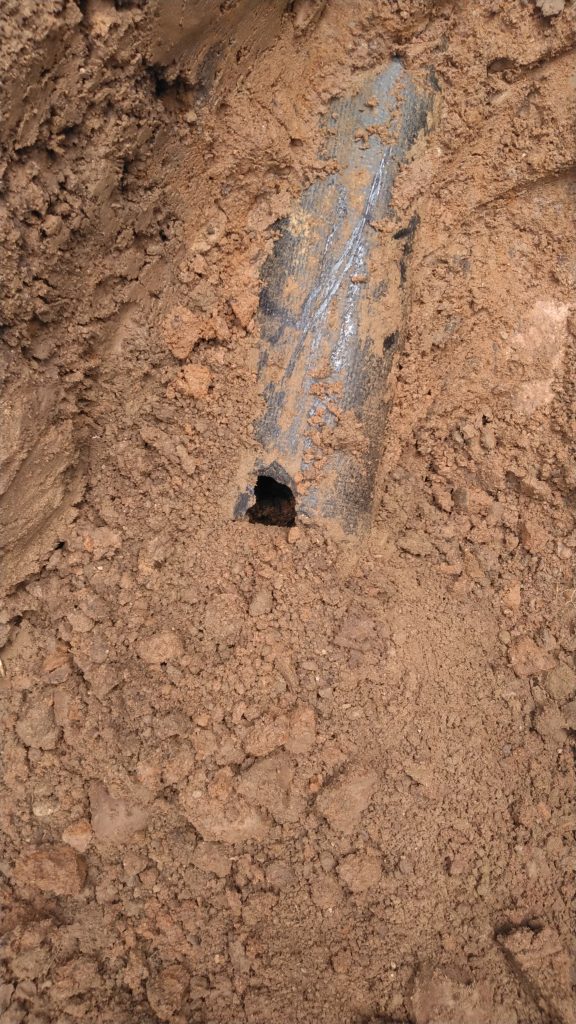
Orangeburg: WII Era pipes were used in rural and in-town systems. It is known for oblonging, crushing, deteriorating, and bubbling.
Clay: Used by many municipalities for service lines to houses up to and including the city mains. The joints shift and allows root growth as well as groundwater and dirt intrusions.
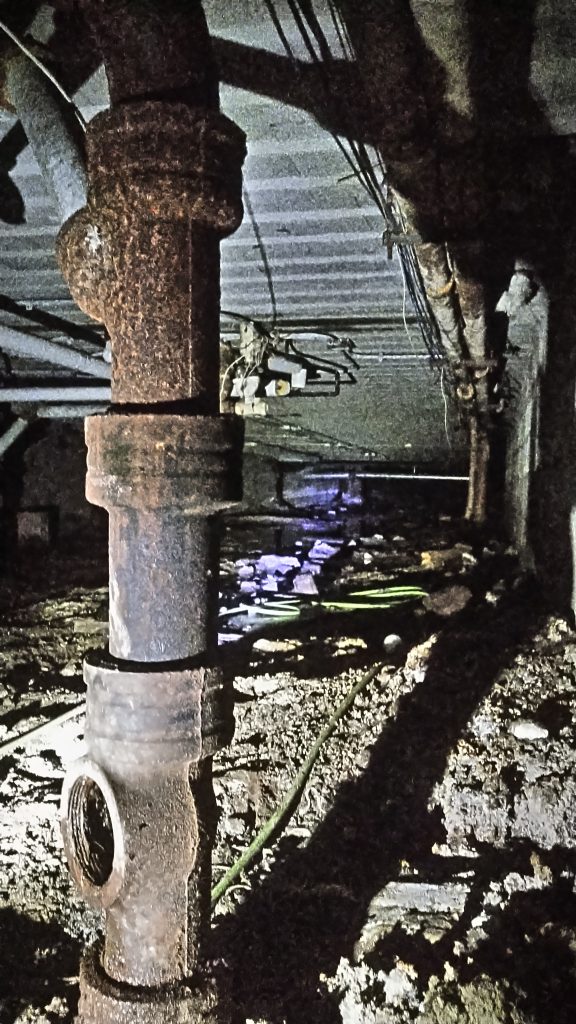
Cast Iron: Used throughout history. Cast iron pipe is known to flake or scale up on the inside and catch any and all sorts of things that pass through it. These pipes tend to rusts away. The tar used at the joints deteriorates and allows roots to grow into the pipe.
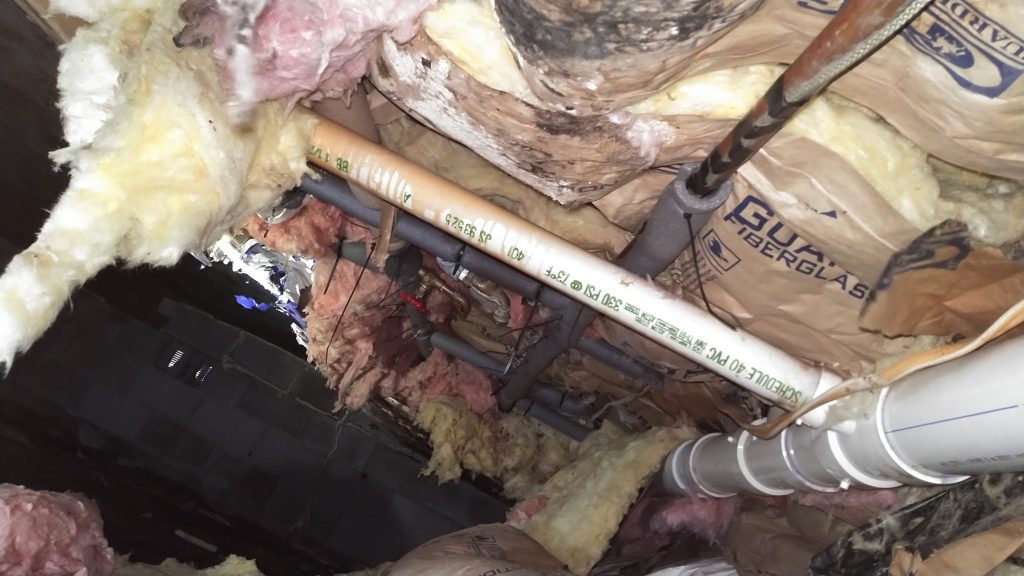
Plastic pipes: The newest material used for sewers and septics. It is required for all new installs. Waste products flow through these pipes much easier with less hangup and deterioration. These types of pipes include: Thin-wall PVC, Schedule 35 PVC, and Schedule 40 PVC.